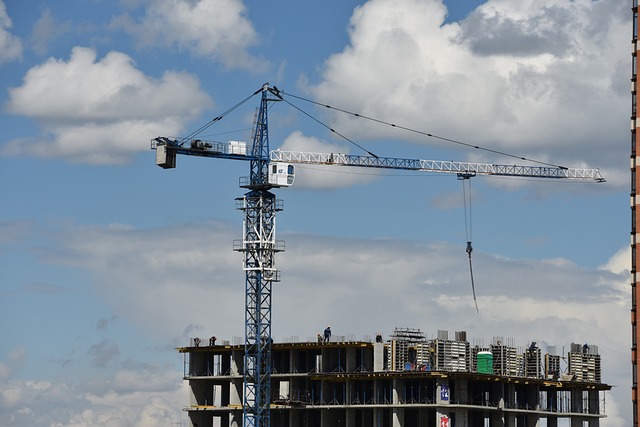
Real estate investors must balance short-term gains with long-term sustainability. Short-term strategies target quick returns through undervalued properties in growing areas, while access equity focuses on steady appreciation tied to economic growth. A successful approach diversifies with both types, optimizing capital gains and community impact. Adopting a stewardship mindset considers social and environmental factors for vibrant communities and secure investments, backed by market data showing higher occupancy and price appreciation for conscious properties.
In today’s dynamic economic landscape, understanding and addressing short-term or access equity in real estate is more critical than ever. As property markets evolve, investors and developers face the challenge of balancing immediate accessibility with long-term sustainability. This article delves into the intricacies of this issue, exploring how temporary equity positions can impact both individual projects and the broader industry. We will dissect the underlying causes, present a comprehensive solution framework, and offer actionable insights to navigate these complex dynamics effectively, ultimately fostering healthier and more equitable real estate ecosystems.
Understanding Short-Term vs. Access Equity in Real Estate
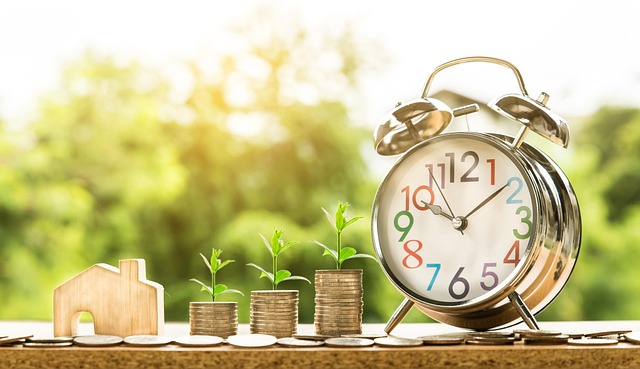
In real estate, the concepts of short-term and access equity are pivotal yet often misunderstood. Short-term equity refers to the immediate financial gain realized from a property transaction, typically within a year or less. This is primarily driven by market fluctuations and the timing of purchases and sales. On the other hand, access equity signifies the long-term value appreciation that arises from owning real estate over an extended period, often linked to economic growth and neighborhood development.
The distinction between these two forms of equity is crucial for investors and homeowners alike. For instance, a short-term investor might focus on quickly turning properties for profit, capitalizing on rising prices in a booming market. In contrast, an access equity enthusiast would prioritize owning real estate for the long haul, anticipating steady value growth over time. Data suggests that historically, real estate has demonstrated robust long-term returns, outperforming many other asset classes. A 2022 study by the National Association of Realtors revealed that homeownership over 15 years yields an average return on investment of approximately 16%, far surpassing the returns from stocks and bonds during the same period.
To maximize equity in real estate, investors should consider a balanced approach. Short-term strategies can provide quick gains, but they may not be sustainable. Conversely, solely focusing on access equity might require patience, as property values don’t always appreciate at a predictable rate. A practical advice is to diversify your portfolio, holding both types of properties. For instance, investing in affordable rental units offers immediate income while allowing for long-term value appreciation as the neighborhood develops. This balanced strategy ensures that investors are not only generating returns but also building sustainable wealth in the real estate market.
Strategies for Effective Capitalization in the Short Term

In the dynamic realm of short-term access equity, effective capitalization strategies are pivotal for maximizing returns and navigating market fluctuations. Real estate, a tangible asset class with inherent resilience, offers a unique opportunity to achieve significant gains in a relatively shorter time frame when leveraged properly. One proven approach involves identifying undervalued properties in emerging markets, where the potential for rapid appreciation is substantial. For instance, recent data from leading property analytics firms suggests that urban areas experiencing rapid population growth have shown remarkable price increases within two years, making them attractive investments for short-term capital gains.
Expert investors often employ a strategy of strategic partnerships to enhance their reach and mitigate risks. By collaborating with local developers or real estate specialists, they can gain access to exclusive off-market opportunities or secure favorable terms in competitive markets. This approach not only diversifies their portfolio but also provides insights into emerging trends and high-growth areas. For example, a joint venture between an international investor and a local developer could result in the acquisition of a prime plot of land in a burgeoning tech hub, offering both capital appreciation and potential for future development.
Furthermore, a nuanced understanding of market dynamics is essential. Timing is key; entering the market just before a significant upturn can yield substantial returns. Investors should closely monitor economic indicators, demographic shifts, and policy changes that could impact property values. In real estate, this might involve identifying regions with upcoming infrastructure developments or recognizing signs of revitalization in previously overlooked neighborhoods. By acting on these insights, short-term investors can capitalize on market discrepancies and secure lucrative deals.
Longevity and Sustainability: Balancing Immediate Gains with Future Equity

In real estate, as in life, balancing immediate needs with long-term sustainability is a delicate art. While achieving quick gains through short-term equity strategies may be tempting, particularly in dynamic markets, it can come at the cost of future resilience and growth. The challenge lies in recognizing that sustainable longevity requires a thoughtful approach that considers not just current profits but also the lasting impact on the asset’s value and the broader community.
One key aspect to explore is the trade-off between short-term capital gains and long-term appreciation. Rapid flipping of properties, for instance, might generate quick returns but rarely contributes to the overall health of the real estate ecosystem. Conversely, focusing solely on preserving property values may hinder innovation and adaptation required to meet evolving market demands. A balanced strategy, therefore, should aim to optimize both immediate equity release and long-term capital growth. This can be achieved through thoughtful property management practices, such as implementing sustainable upgrades that enhance energy efficiency while appealing to modern tenants or buyers.
Furthermore, fostering a mindset of stewardship rather than mere profit-seeking is essential for equitable and sustainable real estate development. This involves considering the broader social and environmental implications of decisions. For instance, developing properties with green spaces and community amenities not only enhances local livability but also attracts tenants or buyers who value such features. By aligning short-term gains with long-term sustainability goals, real estate investors can contribute to vibrant communities while securing their financial future. Data from leading market analysts suggests that properties prioritizing environmental sustainability and community engagement tend to experience higher occupancy rates and resilient price appreciation over time.