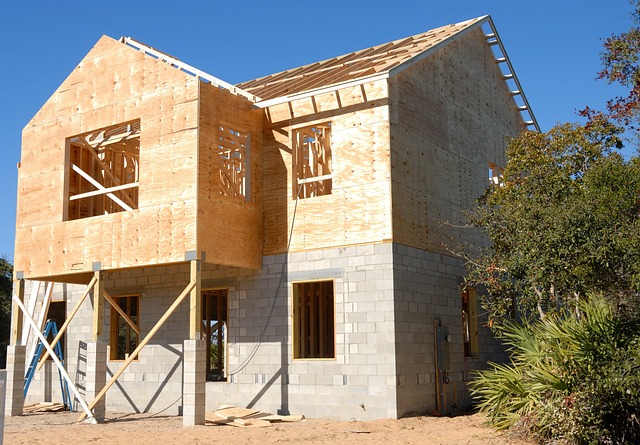
Lower interest rates significantly impact the real estate market, stimulating sales and potentially driving up property prices. Calculating monthly payments is crucial for buyers to manage financing without strain. Real estate professionals must monitor economic indicators to provide tailored advice. Securing a dream home requires strategic financing, research, consultation with experts, maintaining a strong credit score, pre-approval, and careful comparison of loan offers based on duration, closing costs, and fees.
In the dynamic landscape of real estate, understanding the intricate relationship between lower interest rates and manageable monthly payments is paramount for both industry professionals and prospective homeowners. With shifting economic tides, these factors significantly influence purchasing power and long-term financial stability. This article delves into the profound impact of reduced interest rates on mortgage terms, offering a roadmap to navigating this crucial aspect of real estate with strategic insight. By exploring practical strategies, we empower readers to make informed decisions, ensuring they unlock their dream homes while maintaining financial health.
Understanding Lower Interest Rates: The Real Estate Impact

Lower interest rates have a profound impact on the real estate market, creating a ripple effect that can influence both buyers and sellers. When interest rates decrease, mortgages become more affordable as the cost of borrowing money reduces significantly. This, in turn, makes homeownership more accessible to a broader range of individuals, stimulating demand in the housing sector. For instance, during periods of low interest rates, we often witness an increase in first-time homebuyers entering the market, contributing to higher sales volume and potentially driving up property prices.
From a real estate investment perspective, lower rates can encourage investors to enter or re-enter the market. With borrowing costs at their lowest, investors can consider more aggressive financing options, allowing them to maximize returns on properties they acquire. This increased competition among buyers may lead to faster sales and higher selling prices, benefiting real estate agents and developers who facilitate these transactions. Moreover, landlords and property managers might also benefit from reduced borrowing expenses when renewing mortgages on investment properties, enabling them to offer more competitive rental rates or reinvest savings into property improvements.
However, it’s essential to consider that while low interest rates can boost the real estate sector, they may also create challenges. For example, when mortgage rates are incredibly low, it could discourage savers from investing in fixed-income securities, potentially leading to market volatility. Additionally, real estate professionals must stay abreast of economic indicators and anticipate changes in interest rate trends. Actively monitoring market shifts enables them to provide tailored advice to clients, ensuring they make informed decisions regarding purchasing, selling, or investing in properties during periods of fluctuating interest rates.
Calculating Monthly Payments: Strategies for Savvy Buyers

Calculating monthly payments is a crucial step for savvy real estate buyers looking to secure their dream homes without overextending their finances. This process involves not just understanding interest rates but also factoring in various fees, taxes, and insurance costs, which can significantly impact the overall cost of homeownership. A common strategy is to use the debt-to-income ratio, where lenders assess your ability to repay a loan based on your monthly income and existing debts. This ensures that your housing expenses remain within a manageable range.
For instance, let’s consider a buyer looking at a property priced at $300,000 with a 20% down payment. With an interest rate of 4% on a 30-year fixed-rate mortgage, the monthly principal and interest payments would amount to approximately $1,278. However, this figure doesn’t account for other associated costs. To gain a more accurate picture, add in property taxes (typically 1-2% of the property’s value), homeowners insurance (averaging around $1,000 per year), and private mortgage insurance (if down payment is below 20%). These additional expenses can push the monthly cost closer to $1,500.
Expert advice suggests maintaining a comfortable monthly housing expense of no more than 30% of your gross income. By carefully considering these factors, buyers can strategically choose a mortgage term and interest rate that aligns with their financial goals. For instance, opting for a shorter loan term might reduce overall interest paid but could increase monthly payments. Conversely, extending the loan term lowers monthly payments but results in paying more interest over time. Therefore, a balanced approach is essential to making informed decisions in the real estate market.
Navigating the Process: Tips for Securing Your Dream Home

Navigating the process of securing your dream home involves a meticulous understanding of financial aspects, particularly when lower interest rates present an opportunity for significant savings on monthly payments. As a prospective homebuyer, it’s crucial to comprehend how these rates impact your long-term investment in real estate. Lower interest rates essentially mean that borrowing money to purchase a property becomes cheaper, allowing you to allocate more funds towards the principal of your mortgage rather than paying off interest. This can result in substantial savings over the life of your loan.
To make the most of this favorable scenario, start by researching current market trends and consulting with financial experts or real estate advisors. They can offer insights into historical interest rate patterns and predict potential future fluctuations. Next, ensure your credit score is in check since it plays a pivotal role in determining your eligibility for lower rates. Maintaining a strong credit profile increases your chances of securing a better mortgage deal. Consider pre-approving for a mortgage before shopping for a home; this demonstrates to sellers that you are a serious buyer and can help negotiate a favorable purchase price.
When comparing loan offers, pay attention to not just the interest rate but also terms such as loan duration, closing costs, and any additional fees. Longer loan durations may offer lower monthly payments, but they could result in paying more in interest over time. Conversely, shorter loans require higher monthly installments but save on overall interest expenditure. Weigh these factors carefully based on your financial capacity and long-term goals to ensure you’re not only securing your dream home but also making a prudent investment in real estate.