
Real Estate closing costs, averaging 2-5% of purchase price, can significantly impact buyers' and sellers' financial outcomes. To maximize savings, individuals should research local trends, engage experienced professionals, negotiate fees, and shop around for mortgage rates. Efficient tax planning, consulting tax experts, and staying informed about tax laws further reduce burdens. Strategic management of closing costs ensures informed decisions, securing savings throughout real estate transactions.
In the dynamic landscape of real estate, understanding closing costs is paramount for both buyers and sellers. These fees, often overshadowed by the excitement of property ownership, can significantly impact financial savings and overall satisfaction. The complexity lies in navigating various charges, from title searches to appraisal fees, each contributing to the total cost. This article delves into the intricate web of closing costs, equipping readers with knowledge to make informed decisions. We explore practical strategies for minimizing these expenses, ensuring a smoother transition into homeownership while maximising financial savings in the ever-evolving real estate market.
Understanding Closing Costs in Real Estate

Closing costs are an often overlooked yet significant aspect of real estate transactions, playing a crucial role in determining the overall savings for buyers and sellers. In simple terms, closing costs refer to the various expenses incurred during the final stages of a property sale, from legal fees to taxes and insurance premiums. Understanding these costs is essential for anyone navigating the complex world of real estate, as it can significantly impact the financial bottom line.
In the U.S., for instance, the average closing costs for a home purchase amounted to approximately 2.46% of the purchase price in 2021, according to a report by National Association of Realtors (NAR). This translates to a substantial sum, especially for pricier properties. A buyer purchasing a $300,000 home, for example, could expect to pay around $7,800 in closing costs, which includes title search fees, escrow services, and various state and local taxes. Similarly, sellers should be prepared to cover expenses like realtor commissions and legal fees, which can add up to a significant percentage of the sale price.
Expert advice suggests that buyers and sellers alike should allocate a buffer for unexpected closing cost adjustments. This proactive approach ensures financial flexibility during what can often be a stressful process. To mitigate these costs, both parties can explore options such as negotiating commission rates with their agents or shopping around for competitive title insurance quotes. Additionally, pre-approving a mortgage before making an offer can help avoid last-minute financial hurdles and potentially reduce lending fees. By strategically managing closing costs, real estate professionals can make informed decisions, ensuring that savings are not just realized but also retained throughout the entire transaction process.
Calculating Savings: A Comprehensive Guide

Closing costs, an often overlooked aspect of real estate transactions, can significantly impact a buyer’s or seller’s financial bottom line. When calculating savings, these fees are not merely secondary considerations but crucial elements that demand meticulous attention. A comprehensive guide to understanding closing costs is essential for anyone navigating the complex landscape of real estate deals. This is particularly true for first-time homebuyers or sellers who may be unaware of the various expenses hidden beneath the surface.
The complexity arises from the myriad of charges, both direct and indirect, associated with transferring property ownership. Direct costs include title search fees, appraisal expenses, and various government taxes. Indirect charges, though less tangible, can be substantial—think real estate agent commissions, closing or settlement fees, and legal services. Each component contributes to the overall financial burden, yet their collective impact is often underestimated. For instance, according to recent studies, average closing costs for homes in the United States range from 2% to 5% of the purchase price, with some high-value properties incurring even higher rates.
To maximize savings, prospective buyers and sellers should proactively research and compare local market trends. Engaging experienced professionals like real estate agents or attorneys can provide invaluable insights into typical closing cost structures. Additionally, negotiating certain fees with lenders or service providers is a strategic move. For example, some financial institutions offer discounted legal services for loan closings, while others may waive specific title search charges. By delving into these nuances and leveraging professional expertise, individuals can navigate the real estate landscape with greater financial acumen, ensuring that their savings are not merely superficial but substantial and well-founded.
Maximizing Your Investment: Strategies for Savings
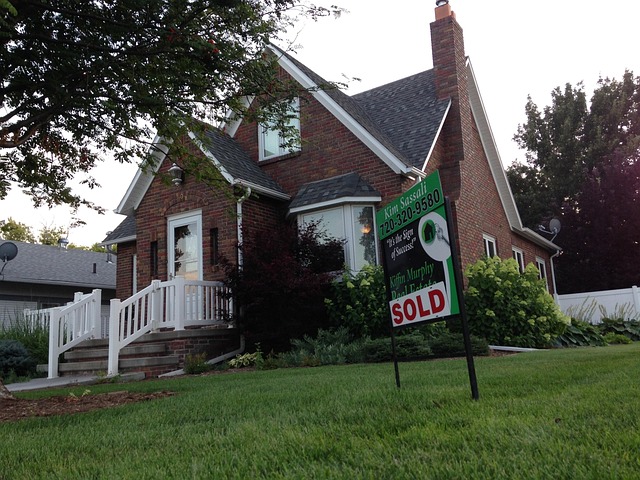
Maximizing your investment in real estate involves a strategic approach to closing costs, which can significantly impact your savings over time. Closing costs are various expenses associated with purchasing or selling a property, typically paid at the conclusion of a transaction. While these costs are often overlooked, astute investors recognize their potential to enhance returns or create additional financial burdens. A thorough understanding of these fees allows for proactive cost management and strategic decision-making during real estate transactions.
One effective strategy is to negotiate with your lender or broker to secure favorable terms. Shop around for the best rates on mortgage financing, as interest rates can significantly influence your overall closing expenses. Additionally, consider pre-qualifying for a loan before making an offer, demonstrating your financial readiness and potentially paving the way for more attractive terms. For instance, a study by the National Association of Realtors (NAR) found that borrowers who shopped around saved an average of $3,098 on their closing costs.
Another avenue to maximize savings is through efficient tax planning. Real estate investors should be aware of potential capital gains taxes or property tax assessments that could impact their financial outcome. Consulting with a tax professional can help identify deductions and credits available for real estate transactions, thereby reducing the overall cost burden. Moreover, staying informed about changing tax laws and regulations enables investors to make informed decisions that align with their financial goals, ensuring long-term savings.